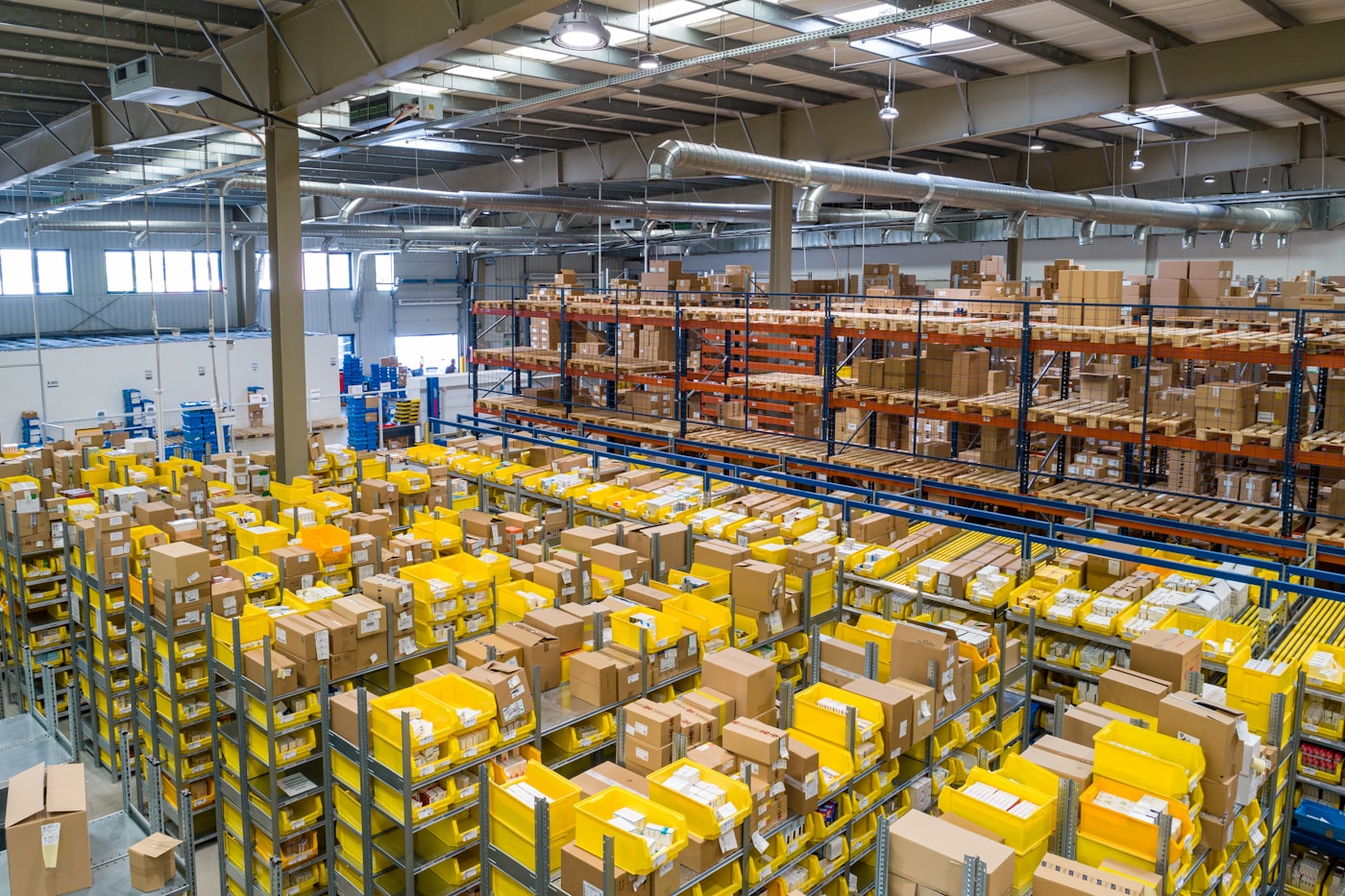
Between Dubai and Muscat sits one land border and one set of paperwork — and how well that file is prepared decides a surprising share of the cargo cost from Dubai to Oman. Duty assessments, clearance fees, inspection delays, and storage charges all flow from documents. This page explains the customs side of the lane: what officials look at, which goods carry extra rules, and what your receiver in Oman must do.
What does customs actually check at the Oman border?
When a truck reaches the Al Wajajah post beyond Hatta, officers reconcile three things: the physical cargo, the declared paperwork, and the duty category the goods fall under. If the invoice says fifty cartons of ceramic tiles and the trailer holds fifty cartons of ceramic tiles at a believable value, clearance is quick and the vehicle rolls on toward Muscat.
Discrepancies trigger the expensive path — physical inspection, value reassessment, and possibly storage fees while questions are answered. None of that appears on anyone's original quote, which is why the paperwork standard behind your shipment is genuinely a pricing issue, not an administrative one.
Which documents does a Dubai–Oman shipment need?
For ordinary commercial goods, the file is short but must be exact:
- Commercial invoice — itemised, valued realistically, with seller and buyer details
- Packing list — carton counts, weights, and dimensions matching the physical load
- Certificate of origin — establishing where the goods were manufactured
- Receiver identification — commercial registration for companies, ID for individuals
- Product certificates — only for regulated categories such as foodstuffs or cosmetics
- Authorisation letter — when a clearing agent acts on the consignee's behalf
GCC-origin goods can qualify for preferential duty treatment when origin is properly evidenced, which is one of the quiet ways good documentation directly lowers the landed cost.
How does the clearance flow work, step by step?
Our team files export documentation in Dubai before the truck departs, so the UAE exit is a formality. At the Omani side, the import declaration is lodged, duties are assessed on the invoice value, and any category-specific approvals are verified. Cleared vehicles continue to Muscat, Sohar, Nizwa, or Salalah-bound connections, completing delivery within the usual 1–4 working days after dispatch.
Where we add the most value is before problems occur: checking HS classifications, catching invoice math errors, and confirming the receiver's registration details in advance. A pre-verified file crosses in hours; an improvised one can sit for days.
Practical tip: make sure the consignee name on your invoice exactly matches the receiver's ID or commercial registration. Even small spelling differences between documents are a common and completely avoidable cause of clearance queries.
Which goods carry extra rules into Oman?
| Category | Requirement | Arrange before dispatch? |
|---|---|---|
| Food and beverages | Health certificates, shelf-life labelling | Yes — always |
| Cosmetics and supplements | Product registration or approval | Yes |
| Communications equipment | Regulatory type approval | Yes |
| Medicines | Import permits via health authorities | Yes — receiver usually applies |
| General consumer goods | Standard file only | No extra steps |
Prohibited items — narcotics, weapons and parts, counterfeit goods — are refused at booking. If you are unsure where your product sits, send us the details and we will confirm the category before you commit.
What are the receiver's responsibilities in Oman?
The consignee is a working part of clearance, not a bystander. They provide identification or company registration, answer any customs queries about the goods' purpose, and settle import duty and VAT where applicable. For door-to-door bookings we coordinate all of this by phone in Arabic or English so nothing stalls for lack of a response.
Businesses receiving regular consignments in Muscat's Ghala or Wadi Kabir industrial areas often standardise this once — registration documents on file, a named contact, a duty payment routine — after which every subsequent shipment clears on rails.
How does the paperwork picture shape the final price?
Pre-validated files
Documents checked in Dubai before departure, eliminating the reassessments and penalty fees that inflate landed cost.
Correct duty categories
Accurate HS classification means you pay the duty you owe — not a padded rate from a rushed declaration.
Border-hour support
If an officer raises a query, our clearance contacts respond the same day instead of letting the truck wait.
Ask for the customs handling to be itemised in your quotation. Comparing the cargo cost from Dubai to Oman across providers only works when clearance scope is stated, because that is exactly where cut-price quotes hide their gaps.
Clear it right the first time
Send your goods description and destination in Oman — we will confirm the document list, the duty picture, and a full door-to-door price.
Request a documented, all-in quotation
"Our date and spice shipments to Muscat used to bounce at the border over labelling. Their team sorted the health certificates upfront and we haven't had a hold since."
Food distributor, Ghala Industrial Area"They caught a mismatch between my invoice and my brother's ID before dispatch. Fixed in ten minutes in Dubai — would have been three days at Al Wajajah."
Family shipper, Bur Dubai to Nizwa"The GCC origin certificate they arranged qualified our furniture for preferential duty. The saving covered the entire freight charge on that consignment."
Furniture wholesaler, SoharCustoms questions on the Oman route
What items are prohibited or restricted for Oman?
Narcotics, weapons, and counterfeit goods are banned entirely. Restricted categories — foodstuffs, cosmetics, medicines, drones, telecom devices — require approvals or registrations before shipping. Share your full item list at booking; identifying a restricted product in Dubai costs nothing, while discovering it at the border costs days and fees.
Which customs documents must I provide myself?
You supply the commercial invoice and any product certificates that only the manufacturer or seller can obtain. We prepare the packing list, certificate of origin, and all declarations from your information. Send everything as scans when booking so verification finishes before the truck leaves Dubai.
How does declared value affect duty and insurance?
Duty in Oman is assessed on your declared value, and insurance pays claims against the same figure — so one honest number serves both. Declaring low invites reassessment and caps any claim payout; declaring accurately keeps clearance smooth and your cover meaningful. Attach purchase invoices for high-value items as supporting evidence.
What does the person receiving my cargo need to do?
Provide ID (individuals) or commercial registration (companies), stay reachable during clearance in case customs asks about the goods, and pay any duty or VAT due. On door-to-door bookings we walk the receiver through each step by phone, so first-time consignees in Muscat or Salalah need no prior experience.
How are fragile or high-value goods handled through clearance?
Inspections sometimes require cartons to be opened, so we pack fragile items in ways that reseal cleanly — crates with screwed lids, layered foam rather than single-use fill. High-value consignments travel with full supporting invoices and declared-value insurance, and our staff attend any physical inspection to supervise rehandling.