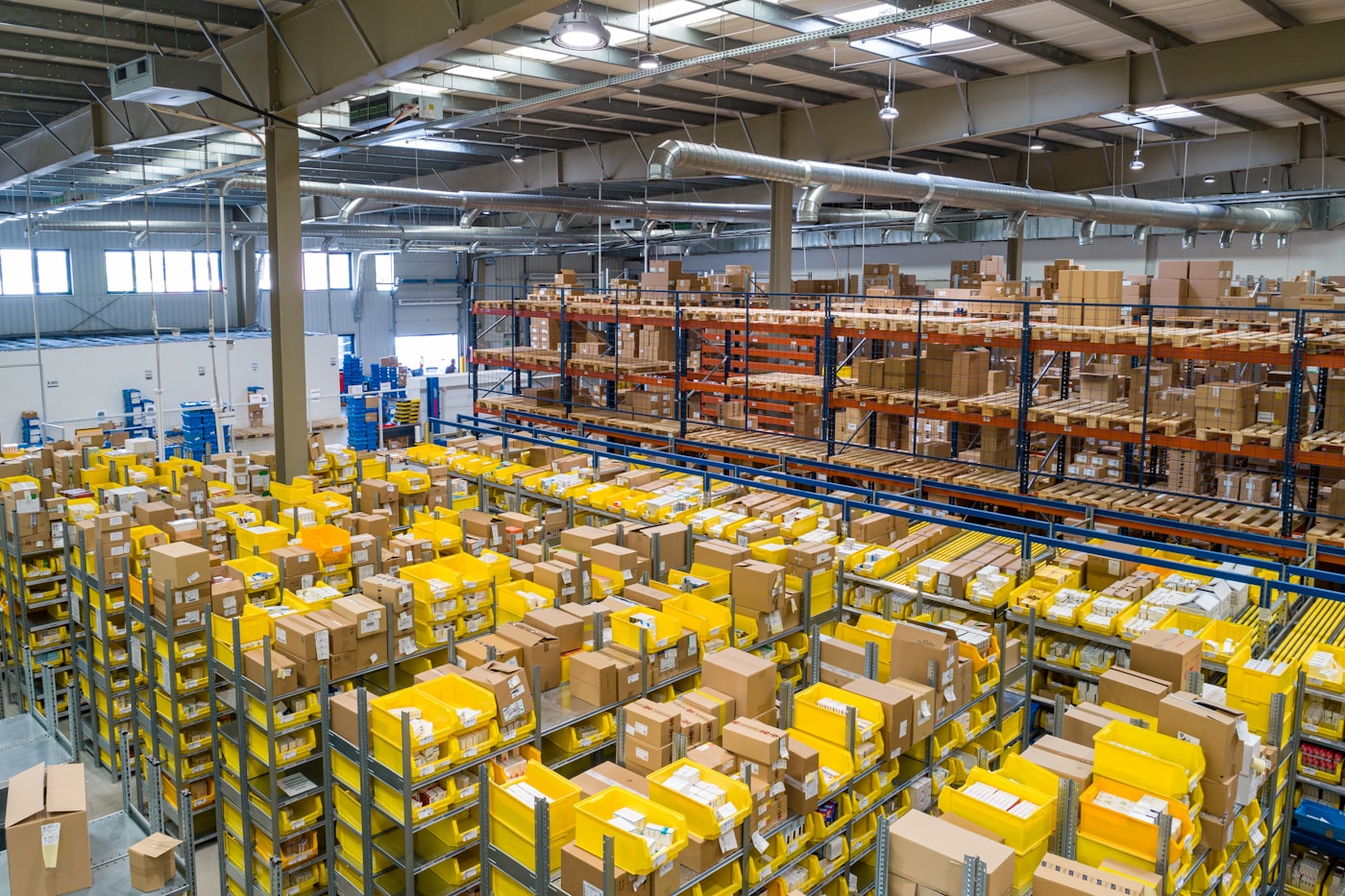
A truck crossing the Empty Quarter fringe endures heat, vibration, and braking forces that punish careless packing. Whether goods survive the run to Riyadh or Jeddah is decided at the loading dock, not on the highway. This page covers road freight from Dubai through the lens that matters most to us: how cargo is protected, secured, and handed over undamaged.
Why the Highway Is Hard on Cargo
The Dubai–Riyadh corridor runs well over a thousand kilometres, and summer trailer temperatures can climb far past what a warehouse ever reaches. Add continuous vibration, emergency braking near border queues, and forklift handling at consolidation points, and you have an environment that finds every weak carton and loose strap.
Damage on this lane is rarely dramatic. It is a crushed bottom carton under a heavy stack, a scratched appliance that shifted against a pallet edge, adhesive tape that let go in the heat. All of it is preventable, and prevention costs a fraction of a claim.
1. Packing: Build for the Worst Kilometre
We pack — or coach shippers to pack — for the roughest moment of the journey, not the average one. Double-walled cartons for anything over fifteen kilos. Heat-tolerant reinforced tape instead of standard adhesive. Void fill so contents cannot migrate inside the box. Fragile items double-boxed with a crush zone between the walls.
Furniture and appliances get blanket-wrapped and edge-protected; glass and stone travel in timber crates we build at our Dubai facility. If your goods arrive at our warehouse under-packed, we will tell you before loading, not after a claim.
Practical tip: write the destination phone number on at least two faces of every carton, not just the label. Labels rub off against trailer walls; marker ink on the box itself survives the trip.
2. Loading and Load Security
A well-packed carton still fails if the trailer is loaded badly. Our loaders follow three rules: heavy freight sits low and forward, nothing rides unstrapped, and mixed consignments are separated by physical barriers so one shipper's machinery can never lean on another's cartons.
Ratchet straps anchor pallets to rated lashing points, corner boards spread strap pressure on soft cargo, and anti-slip matting stops pallets creeping during braking. For groupage loads we photograph the stow before the doors close — useful evidence, and a discipline that keeps loading standards honest.
What Extra Protection Do Fragile and High-Value Goods Get?
Custom timber crating
Heat-treated wooden crates built to the item's dimensions for glass, marble, artwork, and sensitive machinery.
Palletising and shrink-wrap
Loose cartons unitised onto pallets so forklifts, not hands, do the lifting at every transfer point.
Transit insurance
All-risk cover arranged against the invoice value, so a rare mishap becomes paperwork rather than a loss.
Electronics deserve a special note: original manufacturer boxes alone are designed for palletised container shipping, not loose loading. We re-box or crate televisions and monitors as standard on Saudi-bound trailers.
3. The Border Doesn't Have to Touch Your Boxes
Shippers often worry that customs inspection means cartons torn open at Al Batha. In practice, most trailers are cleared on documents and scanner images. Physical inspection happens, but tidy packing works in your favour here too: numbered cartons matched to a clear packing list let an officer verify one box and release the load, instead of digging through an unlabelled jumble.
Our clearance team pre-lodges declarations before the truck reaches the crossing, which keeps door-to-door timing inside the normal 3–7 working day window for GCC road cargo. When inspections do occur, our staff are present to repack properly — nothing gets stuffed back carelessly.
Your Pre-Collection Checklist
Five minutes of preparation at origin prevents most transit damage. Before our truck arrives:
- Seal every carton on top and bottom with reinforced tape in an H pattern
- Keep single-carton weight manageable — split anything a person cannot lift safely
- Mark fragile boxes on all sides and note orientation arrows where it matters
- Drain fluids from appliances and machinery; tape down moving parts and doors
- Number each carton and list its contents against that number
- Photograph packed items — timestamps help enormously with any claim
- Set aside restricted items to declare separately rather than mixing them in
How Do You Know Your Cargo Is Safe Mid-Journey?
Visibility is part of cargo safety. From pickup anywhere in the UAE you receive milestone updates on WhatsApp: loaded, departed Dubai, cleared the border, out for delivery. Trucks on the Saudi lane are tracked, and our operations team calls receivers a day ahead so someone is ready at the door — because a pallet left waiting outside a closed shop is a security risk no strap can fix.
Full-trailer clients can request the stow photos and seal number at departure. The seal is verified again at delivery, confirming the doors stayed shut across the entire run.
Choosing Between a Shared Trailer and Your Own
| Factor | Groupage (shared) | Full trailer (FTL) |
|---|---|---|
| Handling touches | Loaded/unloaded at consolidation hubs | Loaded once, opened at delivery |
| Best for | 1–10 pallets, flexible dates | Large, fragile, or high-value loads |
| Cost logic | Pay per CBM or per ton | Flat rate for the whole vehicle |
| Damage exposure | Managed via barriers and stow plans | Lowest — your cargo travels alone |
Ship It Once, Ship It Intact
Send photos of your goods on WhatsApp and we will recommend the right packing, the right trailer, and a firm door-to-door price.
Request Your Road Cargo Quote
"Forty marble tabletops from Al Quoz to a hotel project in Riyadh, and not one chipped corner. The timber crates they built were better than the factory packaging."
Interior fit-out contractor, Riyadh project"I ship car parts to Dammam twice a month. Since they started palletising my cartons at their warehouse, damage complaints from my customers have simply stopped."
Auto spare-parts trader, Sharjah Industrial Area"They sent me photos of my pallets strapped inside the trailer before departure. Seeing the seal number matched at delivery in Muscat gave me total confidence."
Electronics wholesaler, Dubai to OmanRoad Cargo FAQs
Do you have specific packing requirements?
Cartons must be sealed, labelled, and strong enough to stack; anything fragile should be double-boxed or crated. If your packing falls short, our warehouse team offers repacking, palletising, and crate-building in Dubai before loading, quoted per item so you only pay for what your cargo needs.
How will I be updated during transit?
Milestone alerts arrive on WhatsApp: collection confirmed, trailer departed, border cleared, and out for delivery. Our team also pre-alerts your receiver a day before arrival. For urgent checks at any point, message +971 58 936 0016 and operations will confirm the truck's current position.
Is delivery to the door or to a depot?
Door-to-door is our standard: we collect from your UAE address and offload at the receiver's premises in Saudi Arabia or across the GCC. Depot collection is available if the receiver prefers it, and it can shave cost for shippers with their own local transport.
Do trucks run on weekends and holidays?
UAE pickups run six days a week and trailers depart on a fixed weekly rhythm, but border processing pauses on certain Saudi public holidays and slows on Fridays. During Eid and National Day periods we advise booking several days early, since the 3–7 working day window assumes normal border staffing.
Can I send just a few boxes?
Absolutely. Small consignments ride as groupage cargo, sharing trailer space with other shippers while keeping their own paperwork and protection. Even a three-carton shipment is palletised or shelf-stowed with barriers, so small does not mean less safe — it just means you pay for less space.