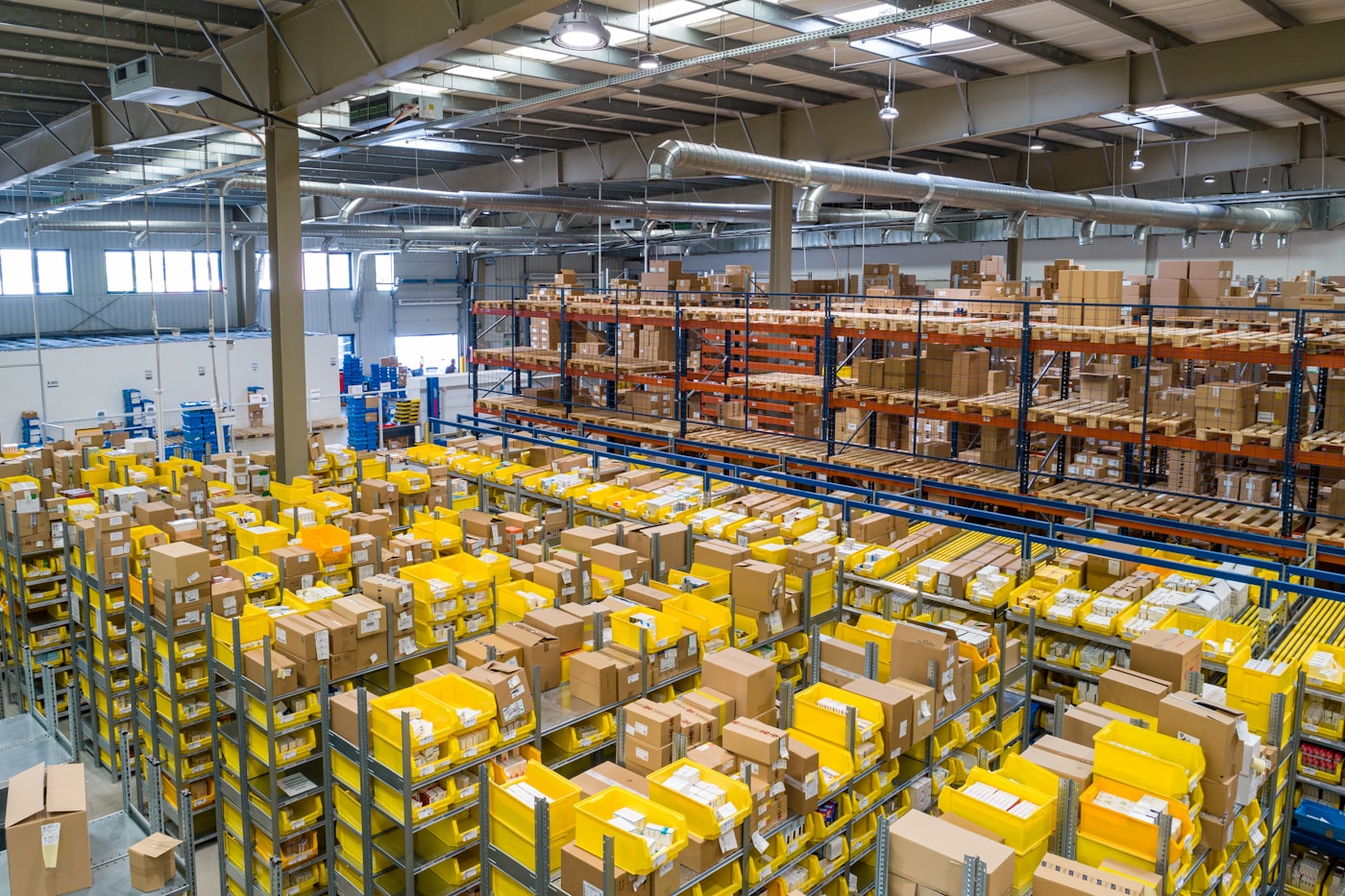
When a production line in Riyadh is waiting on raw material, every idle hour is measurable money. Our factory cargo Saudi service is engineered around the clock: fixed pickup cutoffs, pre-cleared paperwork, and an escalation path when a delivery date cannot slip. This page explains how transit is actually planned — and how the common delays are designed out.
1. Why factory freight lives and dies by the calendar
Industrial buyers in Saudi Arabia do not order stock casually. A plastics plant in Dammam schedules resin deliveries against extrusion runs; a food producer in Jeddah times ingredient arrivals to production batches with shelf-life limits. Miss the window and the buyer's line stops — or they switch supplier.
That is why we treat every factory movement as a dated commitment rather than a "when it gets there" job. The benchmark for road freight into the Kingdom is three to seven working days, and the planning question is always which end of that band your consignment will hit, and what controls pull it toward the fast end.
2. Where transit time is actually won or lost
The driving itself is the most predictable part of the journey. The variance hides in four places, and each one can be compressed:
| Stage | How we compress it |
|---|---|
| Cargo readiness at your plant | Booked pickup slots with confirmed loading crews |
| Export documentation | Invoice and packing list reviewed the day before dispatch |
| Border clearance at Al Batha | Files lodged in advance; HS codes verified pre-departure |
| Final delivery in KSA | Receiver contacted early; offload slot fixed before arrival |
A consignment that fails one of these checkpoints does not lose an hour — it usually loses a full day, because trucks, clearance windows, and receiving bays all work in daily cycles.
3. Cutoffs: the discipline that keeps schedules honest
Regular manufacturing shippers get a standing timetable. Goods ready and documents approved by the agreed cutoff means the trailer departs on schedule; miss the cutoff and the load rolls to the next departure rather than gambling on a rushed, error-prone file.
That sounds strict, but it is what makes the delivery date believable. Factories that ship with us weekly know exactly which day their Saudi customer will receive, and can promise it in their own sales contracts.
Practical tip: approve your commercial invoice the afternoon before loading, not the morning of departure. Nearly every border delay we investigate traces back to a document finalised in a hurry while the truck was already waiting.
4. When the schedule cannot wait for a truck
Sometimes the calendar has already been lost — a rejected batch, a machine breakdown, a customer pulling an order forward. For those cases we keep faster lanes open:
Express road
Dedicated vehicle, no co-loading stops, priority clearance handling for the tightest road-feasible dates.
Air freight
DXB and DWC departures for line-down components, dies, and urgent samples measured in kilos, not tonnes.
Forward stocking
Hold buffer stock in our Dubai warehouse and release to Saudi customers on short call-off notice.
The forward-stocking route deserves attention from any factory with repeat Saudi orders. Positioning inventory before it is sold converts a seven-day promise into a two-day one, without paying air rates.
5. What moves on this lane
Typical manufacturing consignments we carry from UAE plants into the Kingdom include:
- Raw polymers, additives, and masterbatch for plastics converters
- Steel profiles, fasteners, and fabricated assemblies
- Packaging film, cartons, and printed labels feeding Saudi production
- Cables, switchgear, and electrical components for assembly plants
- Chemicals and lubricants with compliant documentation
- Spare parts and tooling keeping installed machinery running
Destinations concentrate around the industrial belts: Riyadh's Second and Third Industrial Cities, Dammam First and Second Industrial Cities near the port, Jubail and Yanbu for process industries, and the Jeddah industrial zone serving the western region.
6. Delay-proofing the border crossing
Every truckload we send toward Al Batha travels with a file that has already been argued with. Values are checked against market reality, HS codes against the actual product datasheet, and restricted-goods rules against the manifest — before departure, when fixing an issue costs an email, not after, when it costs a day of trailer demurrage.
Chemical loads get particular scrutiny. MSDS sheets, correct UN classifications where applicable, and honest product descriptions keep a routine inspection routine. Vague wording like "industrial liquid" is the fastest way to get a container opened.
Lock in a delivery date, not a guess
Send your product list and required arrival date. We reply with the cutoff you need to hit and a firm price for the lane.
7. Request a factory cargo Saudi schedule and quote
"Our Dammam customer fines late deliveries. Since moving to the Thursday cutoff schedule we have not missed a single receiving slot in eight months of weekly loads from Sharjah."
Export manager, packaging film producer, Sharjah Industrial Area"A die cracked on our stamping line in Jeddah. Replacement flew out of DWC the same evening and we were producing again in under 48 hours. That one shipment paid for itself many times over."
Plant maintenance head, metal components factory, Jeddah"Keeping two weeks of buffer stock in their Dubai warehouse lets us confirm Saudi orders instantly. Call-off to delivery in Riyadh has been consistently inside three days."
Supply chain lead, adhesives manufacturer, Mussafah, Abu Dhabi8. Factory shipper FAQs
Which UAE areas do you collect from?
All the manufacturing districts: Mussafah and ICAD in Abu Dhabi, Dubai Industrial City, DIP, Al Quoz, Jebel Ali and JAFZA, plus the Sharjah, Ajman, and RAK industrial zones. Scheduled shippers get fixed weekly pickup slots; ad-hoc collections are usually arranged within one working day.
Are any industrial goods restricted into Saudi Arabia?
Yes — certain chemicals, radio and telecom equipment, and products requiring SASO/SABER conformity cannot clear without prior approvals. We screen your product list at quote stage and tell you exactly which items need certificates, which need permits, and which cannot travel by road at all.
What customs documents does a factory shipment need?
Commercial invoice, detailed packing list, and certificate of origin form the core. Chemical products add MSDS sheets; regulated categories add conformity certificates. Your Saudi buyer supplies their importer registration. We audit the complete file before the trailer departs so nothing is missing at Al Batha.
How do insurance and declared value work?
Declare the genuine invoice value — undervaluing to trim duty risks penalties and voids any claim. Transit insurance is arranged against that declared figure and is inexpensive relative to the exposure on a full trailer of production output. High-value loads should always be covered; ask us to include it in the quote.
What does the Saudi receiver have to arrange?
An active importer registration, payment of Saudi duty and VAT unless we agree otherwise, and a confirmed offloading slot with equipment — most factory loads need a forklift or dock. We contact the receiving team while the truck is still in transit so the bay is booked before arrival.