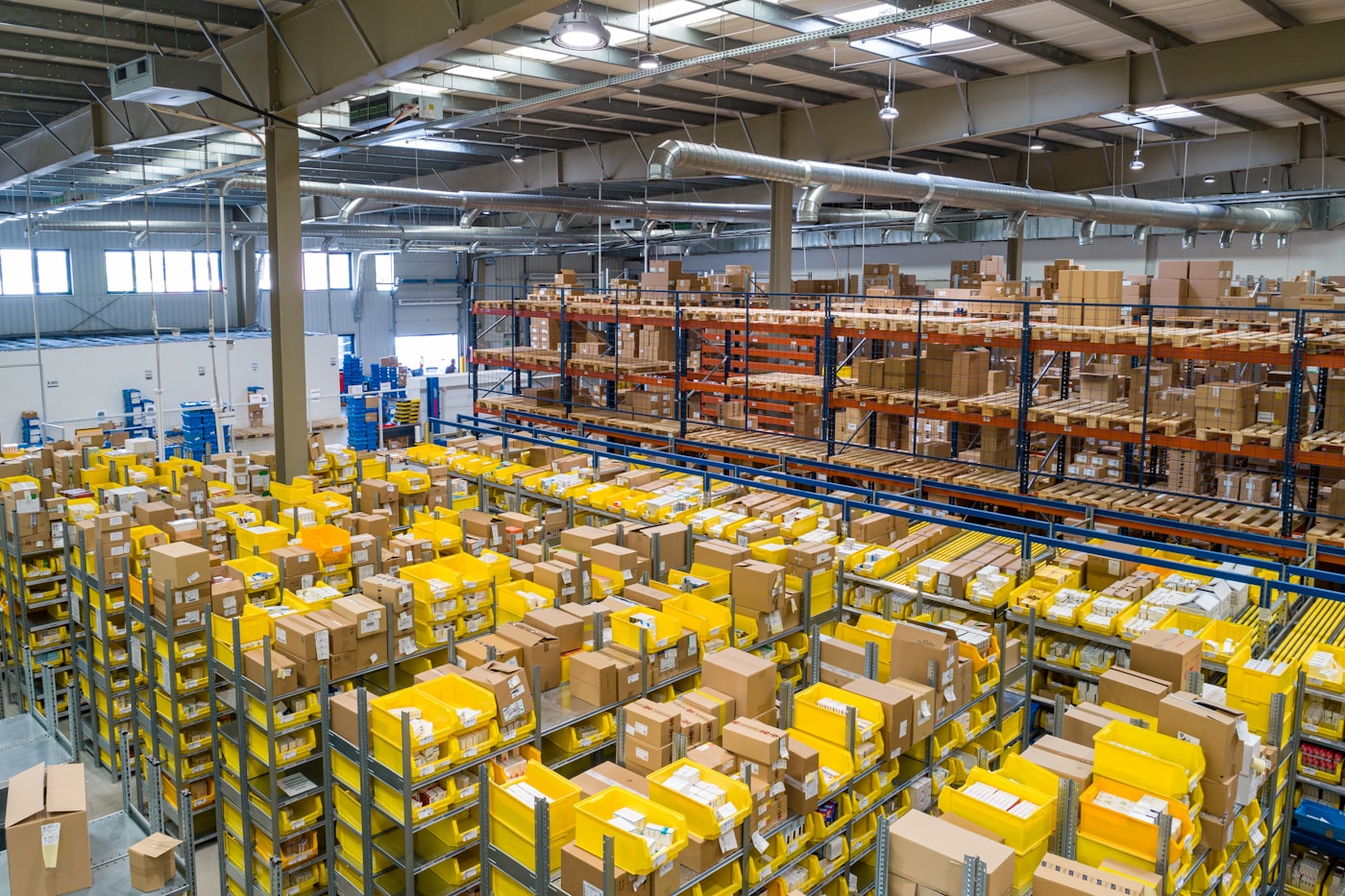
Most freight talk in this region flows one way: out of Dubai. But goods travel back too — a family returning from Riyadh with their household, a trader recalling unsold stock from Muscat, a factory importing components through Jebel Ali. Our cargo to UAE service handles the inbound direction: collection at the origin, clearance into the Emirates, and delivery to your door in any of the seven emirates.
Why Inbound Freight Needs Its Own Playbook
Shipping into the Emirates is not simply the export process run backwards. The clearing authority changes, the duty rules change, and the person who must be documented shifts from sender to receiver. Dubai Customs, Abu Dhabi Customs and the northern emirates each process entries through their own channels, and free-zone deliveries follow different paperwork than mainland ones.
Because our trucks already run scheduled routes out of the UAE, the return legs are a standing capacity we control — not space we scramble to buy. That is what keeps GCC return loads moving on a two to six working day rhythm rather than waiting for a carrier with a spare vehicle heading north.
What comes back into the country?
Returning Households
Families ending contracts in Saudi Arabia, Kuwait or Qatar and bringing furniture, appliances and personal effects back to a UAE residence.
Stock Returns & Recalls
Unsold merchandise, exhibition materials after trade shows, and warranty returns heading back to UAE distributors and repair centres.
Commercial Imports
Components, raw materials and finished goods entering through Jebel Ali, Port Khalifa, DXB and DWC for mainland or free-zone consignees.
Exhibition traffic deserves a special mention. After events in Riyadh's exhibition district or Doha, stands and demo equipment need a fast, documented ride home — often under temporary-admission paperwork that must be closed correctly to recover deposits.
The Route Home: How a GCC Return Load Moves
A return shipment from Saudi Arabia starts with pickup by our partner crew at the origin address — Riyadh, Jeddah, Dammam or smaller cities. Export formalities are lodged on the Saudi side, the truck crosses at Al Batha, and UAE import processing happens at Al Ghuwaifat before the vehicle continues to our Dubai hub. From there, local delivery reaches your address, whether that is a villa in Mirdif, a shop in Sharjah's Rolla, or a unit in Dubai Investment Park.
Origins from Oman cross at Hatta or Khatm Al Shikla; Kuwait, Bahrain and Qatar traffic transits the Kingdom in bond. You deal with one UAE-based coordinator throughout — the origin agents report to us, not to you.
Duties, Exemptions and the Paperwork That Proves Them
Import charges into the Emirates hinge on what the goods are and why they are entering. Used personal effects belonging to a returning resident are treated differently from new commercial stock. Goods of GCC origin moving within the customs union carry different treatment again, provided origin documents support the claim.
| Inbound scenario | Key document that decides treatment |
|---|---|
| Returning resident's household | Itemised used-effects list plus residence visa copy |
| UAE-origin goods coming back | Original export record proving re-import status |
| GCC-manufactured stock | Certificate of origin under the GCC framework |
| New commercial imports | Commercial invoice with the importer's code |
| Exhibition/temporary goods | Temporary admission papers closed on re-entry |
Practical tip: if you exported goods from the UAE and expect them back — samples, exhibition stands, repair items — keep the outbound customs declaration. Presenting it on re-entry is the cleanest way to avoid paying duty on your own property.
Who receives, and what do they need ready?
For personal shipments, the UAE receiver needs Emirates ID and, for household effects, a residence visa copy. For commercial entries, the consignee's importer code must be active — an expired code is the most frequent cause of inbound consignments idling at the port. Free-zone consignees in JAFZA, SAIF Zone or KIZAD follow their zone's gate-pass process, which we arrange in advance.
If you are abroad and shipping to yourself, we can time delivery for after you land, holding the goods briefly at our Dubai facility so you are not paying storage at a terminal while your flight is still a week away.
Before You Book: A Short Preparation List
- Origin address with a local contact who can be present at collection
- Itemised inventory — required for clearance in both the origin and the UAE
- Receiver's Emirates ID, and visa copy for household-effects entries
- Importer code details for any commercial consignment
- Original export paperwork if the goods previously left the UAE
- Photos of high-value items before packing, for insurance records
Bringing Goods Home?
Give us the origin city and a contents list — we will price the full inbound journey to your UAE door.
Request an Inbound Freight Quote
"After four years in Riyadh we moved back to Abu Dhabi. Their Saudi crew packed everything, and our furniture reached Khalifa City five days after pickup."
Returning expat family, Khalifa City A"Our exhibition stand came back from a Doha trade fair with the temporary admission closed properly. Deposit refunded in full — first time ever."
Events manager, marketing agency in Dubai Media City"I recall slow-moving stock from my Muscat outlet to our Sharjah warehouse each quarter. The return leg pricing genuinely beats what I paid before."
Perfume trader, Rolla, SharjahInbound Shipping Questions
What is expected of me as the UAE receiver?
Keep your phone reachable, have Emirates ID ready, and for household effects provide a visa copy before the truck reaches the border. Commercial consignees need an active importer code. If duty applies, it is settled at clearance — we invoice it transparently rather than surprising you at the doorstep.
How do booking and payment work from abroad?
Everything runs over WhatsApp at +971 58 936 0016. Confirm the quote, and our origin partner schedules collection. Payment can be made by the sender at origin or by the UAE receiver on arrival — you choose at booking, and the arrangement is written into the confirmation.
How long does inbound transit take?
Road returns from GCC cities typically land in two to six working days, with Saudi origins at the faster end and Kuwait or Qatar slightly longer due to transit clearances. Sea and air imports from further afield vary by origin; your quote states a window specific to your route.
Who packs the goods at the origin?
Either side works. Our origin crews carry cartons, wrap and crating material and will pack professionally on request — recommended for furniture and glassware travelling by road. If you self-pack, seal every box, label it with the UAE delivery address, and keep a copy of the inventory.
Can I follow the shipment on its way in?
Yes. You get milestone confirmations — collected, exported, cleared into the UAE, out for delivery — plus a coordinator you can message any time for a live position. For commercial imports we can also copy your warehouse team so receiving staff know the arrival window a day ahead.