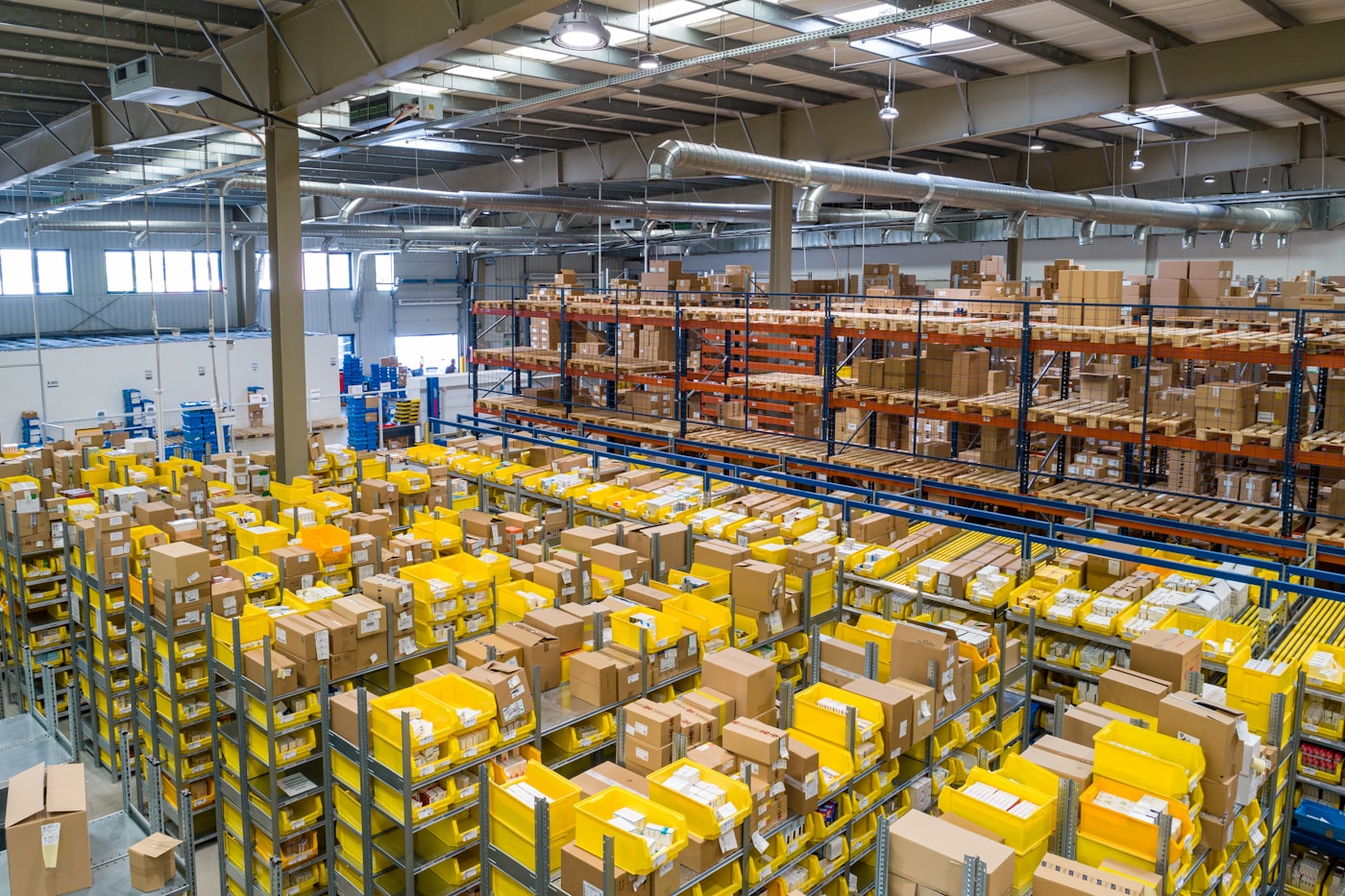
Shipping a drum of solvent or a pallet of lithium batteries for the first time can feel like walking into a wall of acronyms. It doesn't need to. This plain-language guide explains how dangerous goods shipping Dubai actually works — what classification means, which papers you'll be asked for, and what happens between your booking and safe delivery — without the jargon.
Start here: what makes cargo "dangerous"?
Dangerous goods are simply products whose properties — flammability, corrosiveness, pressure, toxicity, or stored energy — require controlled handling in transit. Many everyday commercial items qualify: perfumes, aerosols, paints, cleaning chemicals, lithium batteries inside electronics, gas cylinders, and certain fertilisers.
The international system sorts these into nine broad classes, from explosives through gases, flammable liquids and solids, oxidisers, toxic substances, radioactive material, corrosives, and a catch-all miscellaneous class that includes lithium batteries. Your product's class determines how it must be packed, labelled, documented, and which carriers will accept it.
1. Classification: finding your UN number
Every regulated substance carries a four-digit UN number and a proper shipping name. This is not something to guess — the manufacturer's safety data sheet (MSDS or SDS) states it in section 14, alongside the class and packing group. If you have the MSDS, you have most of what a forwarder needs to advise you.
No MSDS? Ask your supplier for one before booking anything. It is the reference document the whole chain relies on, and shipping a product without knowing its classification is the one mistake this industry does not tolerate.
2. Paperwork: the MSDS and the DGD
Two documents anchor a compliant DG shipment. The MSDS describes the product — composition, hazards, emergency measures, transport classification. The Dangerous Goods Declaration (DGD) is the shipper's formal statement for a specific consignment: what is being shipped, in what quantity and packaging, and confirmation that it is packed, marked, and labelled correctly. Air shipments use the declaration format required by airlines; sea shipments use the maritime equivalent.
Alongside these travel the usual commercial invoice, packing list, and any destination approvals your consignee must obtain. We check the full set before anything is collected.
Classification support
We read your MSDS, confirm the UN number and class, and tell you which modes accept it.
Declaration preparation
DGD drafting and document checks by trained staff before the consignment moves.
Compliant packaging
UN-specification drums, boxes, and inner packagings sourced and marked correctly.
3. Packing and labelling done properly
DG packaging is certified, not improvised. UN-specification packagings carry embossed codes showing what they are tested to hold, and the packing group of your product (a measure of hazard severity) dictates the grade required. Inner receptacles, absorbent material, and closure instructions all follow the packaging manufacturer's certificate.
Labelling then makes the hazard visible: class diamonds on each package, UN number and proper shipping name marked clearly, orientation arrows where liquids are involved, and handling marks the carrier requires. Unlabelled or mislabelled DG is refused at acceptance — the cost of getting this wrong is your deadline.
- Obtain the MSDS from your manufacturer before booking
- Confirm UN number, class, and packing group from section 14
- Use UN-certified packaging matched to the packing group
- Apply class labels, UN number, and shipping name on every package
- Prepare the DGD for the chosen mode
- Verify the receiver can legally accept the goods at destination
- Book early — DG acceptance takes longer than general cargo
Choosing the mode: road, sea, or air?
Not every class travels every way. Airlines are the most restrictive — some goods are forbidden on passenger aircraft, others limited to cargo-only freighters, and quantity limits per package apply. Sea accepts the widest range but takes longest. Road within the GCC handles many classes well and suits drummed chemicals and batteries moving to Saudi Arabia or Oman. Because scheduling is mode-dependent, transit time is quoted per shipment once the classification and route are fixed — we give you a realistic window at booking rather than a generic promise.
| Consideration | Road (GCC) | Sea | Air |
|---|---|---|---|
| Class acceptance | Broad, with route rules | Widest range | Most restricted |
| Speed | Days, regional | Slowest | Fastest, where permitted |
| Quantity limits | Vehicle and permit based | Generous | Strict per-package limits |
| Best for | Drums, batteries to GCC | Bulk chemical consignments | Small urgent regulated items |
First-timer's tip: send the MSDS with your very first enquiry, not after the quote. Everything — mode, packaging, price, and timeline — flows from that document, and quotes issued without it always change.
What happens after you book
Once classification is confirmed and the quote accepted, the sequence is methodical. Packaging is arranged or your pre-packed goods are inspected, labels are checked piece by piece, and the DGD is signed. Collection is scheduled from your Dubai premises — industrial areas such as Al Quoz, DIP, and JAFZA are routine — and the consignment moves under carriers approved to handle its class. You receive updates at booking, acceptance, departure, and delivery, and the operations desk flags any carrier query the moment it lands.
At destination, your receiver presents their import approvals where the commodity needs them, accepts delivery, and confirms condition. For repeat shippers, the second consignment is dramatically easier: the classification file already exists.
Have an MSDS in hand?
Send it over on WhatsApp and we will confirm class, mode options, and a realistic timeline for your DG consignment — usually the same day.
Request a DG shipping quote
"First time exporting coating chemicals from our Al Quoz unit to Riyadh. They walked me through the MSDS, sourced the UN drums, and the truck was accepted without a single query."
Sanjay D., paint manufacturer"We ship lithium-battery devices monthly. Their team handles the declarations and labels, and acceptance has never bounced a box back."
Amira Q., electronics exporter"A cylinder consignment to Muscat that two couriers refused — these guys classified it, packed it, and delivered it with updates at every step."
George T., industrial gas supplierFrequently asked questions
What does the receiver need to arrange at destination?
The receiver must be entitled to import the commodity — some chemicals and batteries need destination approvals or licences held by the consignee. They also confirm delivery access for a DG vehicle and sign for the goods against the declaration. We confirm receiver-side requirements during booking so nothing surfaces on arrival day.
How do booking and payment work for DG cargo?
Send the MSDS and quantities first; we confirm classification, mode, and price. On acceptance you receive a written booking with the document checklist. Payment is usually a deposit at confirmation with balance before delivery, by transfer or card link, and regular shippers move to account terms.
How long does a dangerous goods shipment take?
It depends on the mode and class, so scheduling is quoted per consignment. Road moves within the GCC run on a days-scale once accepted; sea adds sailing time; air can be fastest but acceptance checks add lead time. Whatever the route, we give a dated window at booking and update you against it.
Can I pack dangerous goods myself?
Only in UN-certified packaging matched to your product's packing group, with correct inner packagings, closures, and labels. Most first-time shippers let us supply and pack instead — a certified drum used wrongly fails acceptance just like an ordinary one. Either way, packages are inspected before the DGD is signed.
Will I get tracking and status updates?
Yes. You are notified at booking confirmation, carrier acceptance, departure, and delivery, with WhatsApp as the default channel. Because DG moves through extra checkpoints, we also relay any carrier query immediately — silence is never the plan when regulated cargo is moving under your name.